slovenščina
 Deutsch
 italiano
 Hrvatski
 français
 español
 polski
 čeština
 magyar
 Русский
 Nederlands
 Português
 한국어 [韓國語]
 中国的
中国的 日本語
日本語 עברית
עברית10 Years of Baby Dragons from Postojna Cave
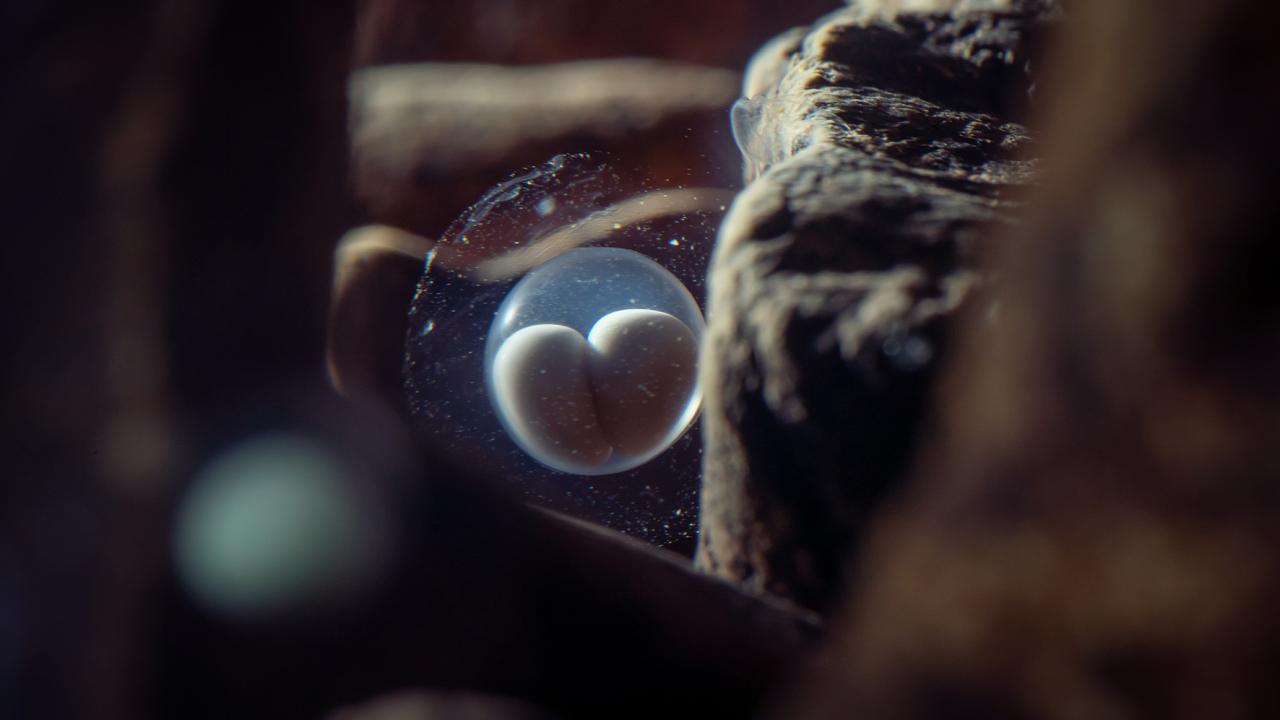
In 2016, Postojna Cave, one of the world’s best known karst caves, witnessed a truly unique event: for the first time in history of show caves the public was able to watch the development of the olm in real time - from the first eggs, embryos and larvae hatching to their transformation into playful little baby olms. The story became an international sensation, with numerous media outlets all around the world reporting on this ‘miracle’ and ‘the baby dragons’.
This year, ‘the baby dragons’ from the 2016 olm brood are turning ten. We are presenting to the public how they live today and about the interesting developmental stage they are about to enter, as well as about the valuable scientific indights gained through ten years of observation and research on this generation.
How It All Began and How the Young Live Today
30 January 2016, when one of the cave guides noticed the first egg in the large exhibition aquarium while leading a group of visitors, was the beginning of one of the most exciting periods in the history of Postojna Cave.
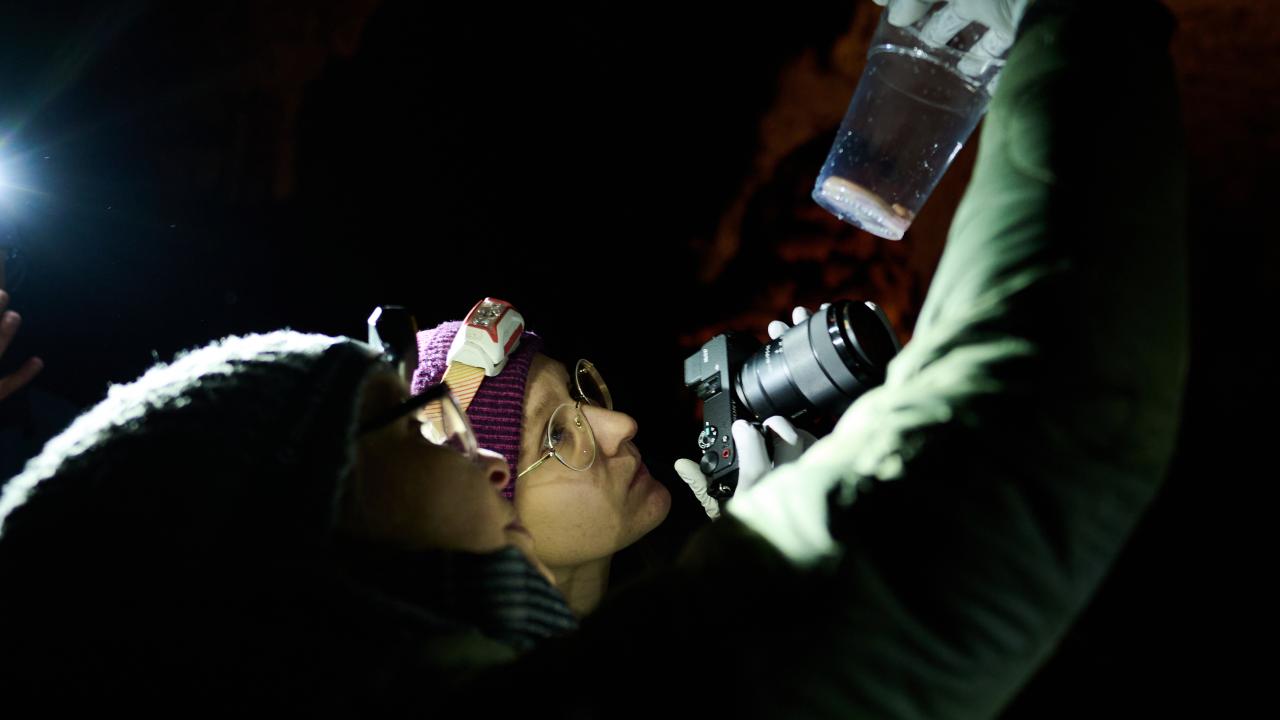
In the following weeks, both the public and the Postojna Cave team, led by Katja Dolenc Batagelj, closely monitored the developments, which were continuously recorded by infrared cameras. They reached out to experts in Slovenia and abroad and succeeded in providing ideal conditions for the development and survival of the new brood.
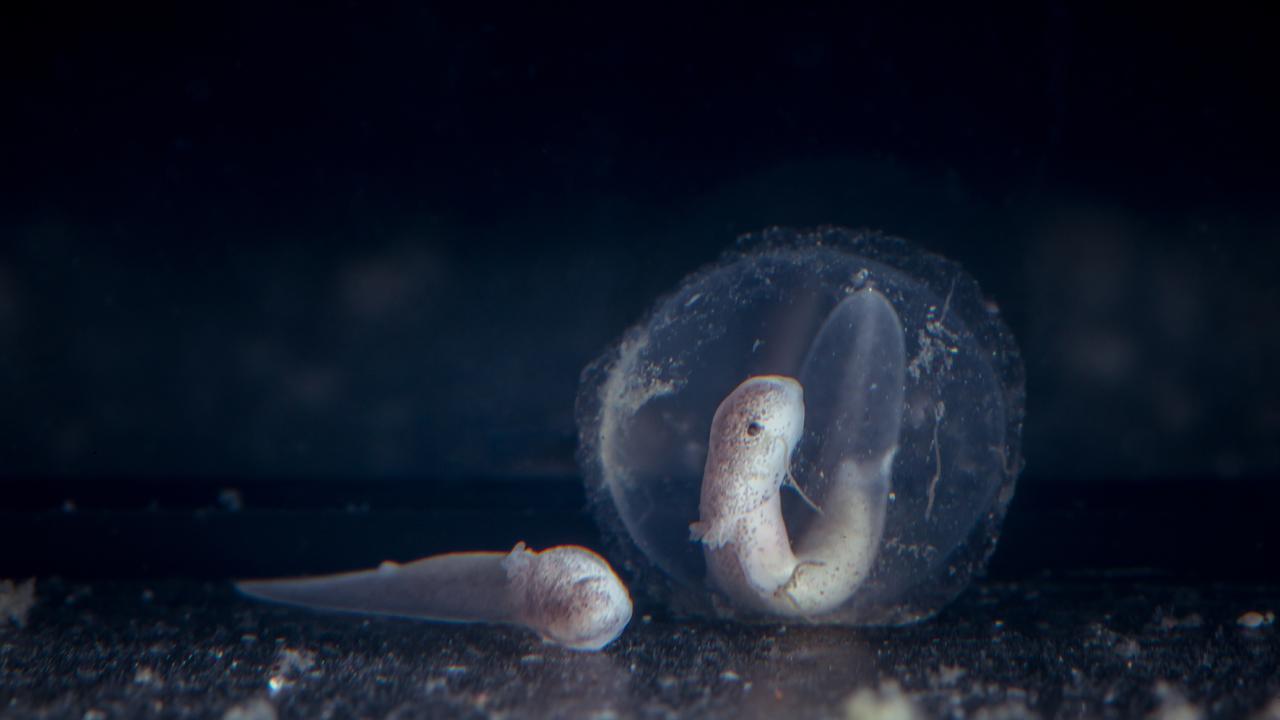
The first larva made its way into the world on 30 May 2016, and by 14 July, all 22 larvae had hatched.
For a detailed chronology of the events in the life of the 2016 olm brood see the Olm Diary 2016.
After their first exciting year, the lives of the worldfamous baby dragons continued far from the public eye and under the watchful eyes of biologists.
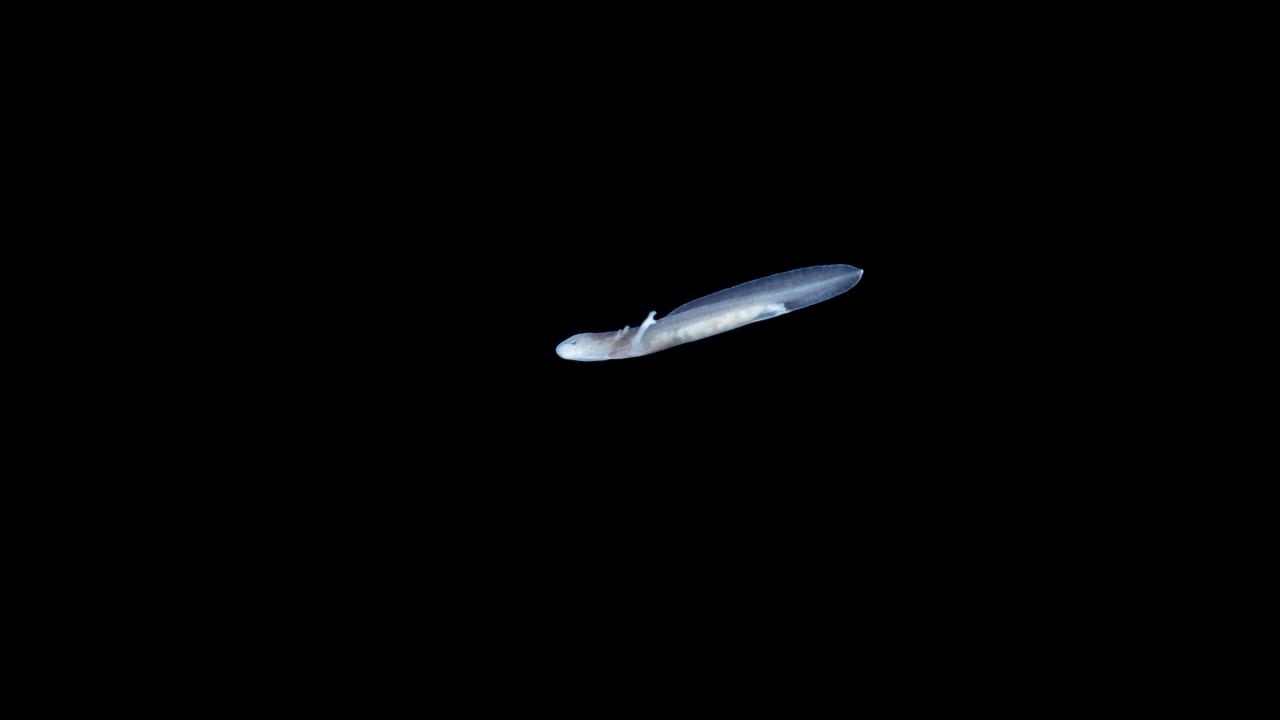
Today, the juveniles are healthy, growing well and developing steadily in the silence and darkness of a special part of Postojna Cave, not far from the tourist trail. They live in large aquariums, several individuals together, and are regularly visited only by our two resident cave biologists and occasionally the biologists from the University of Ljubljana.
Viktor’s Story
One of the most »cinematic« episodes in the life of the brood is connected to a juvenile named Viktor.
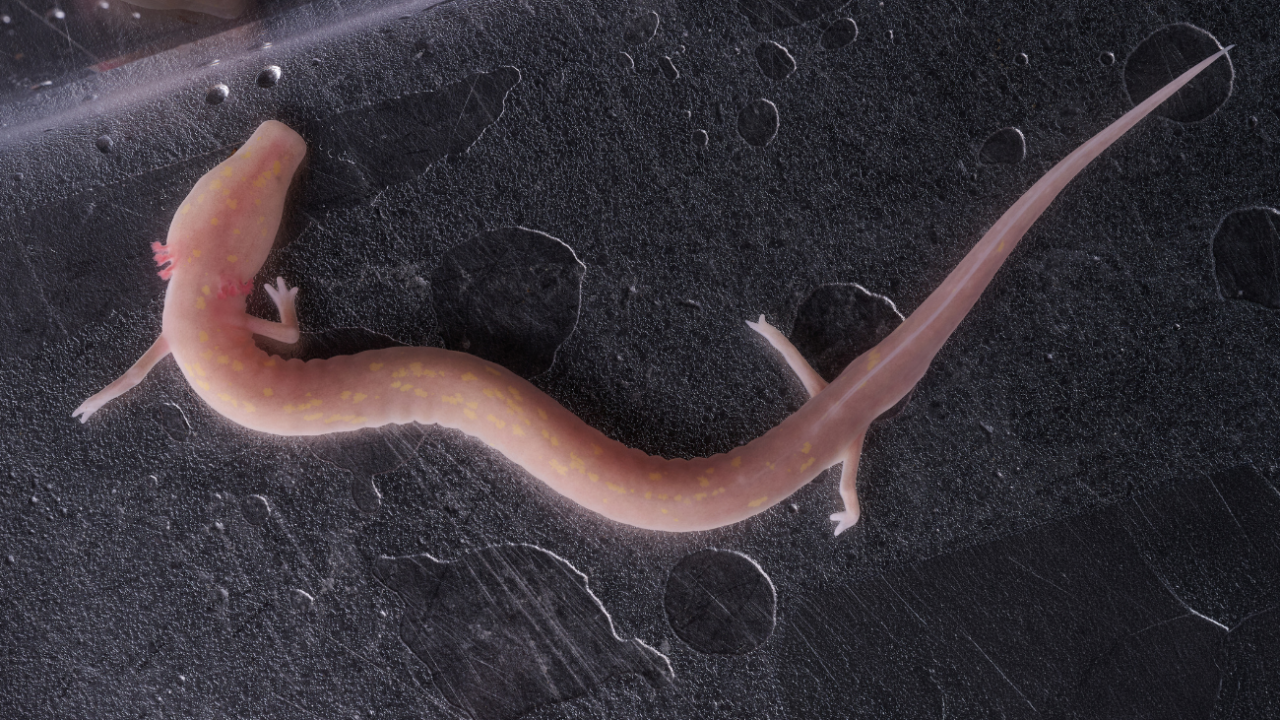
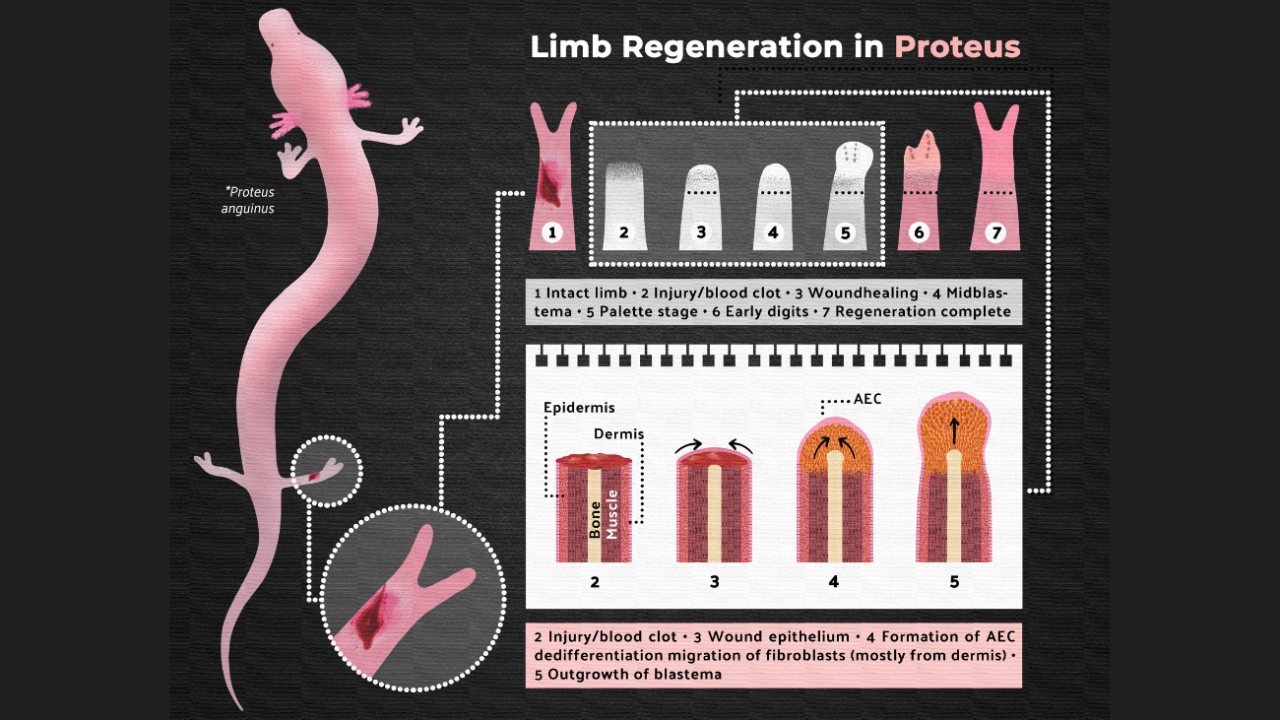
During an aggressive encounter with two other juveniles, Viktor sustained a severe injury to his leg. What followed was unexpected: the damaged part of the limb detached, the wound healed within a few days, then the process of regeneration of the missing part began. Within just over a year, a completely new and fully functional limb had developed.
Postojna Cave once again broke new ground: the limb regeneration process was documented in detail and presented to the scientific community at international conferences and in professional literature by experts from the Biotechnical Faculty of the University of Ljubljana.
Here you can watch the video: Viktor’s new leg – limb regeneration process.
10 Years of Monitoring the Same Generation
In 2016, Postojna Cave teamed up with the biologists from the Biotechnical Faculty of the University of Ljubljana, enabling the continuous monitoring and systematic study of the olm brood.
We set up set up a special cave laboratory, where, in close collaboration with the university’s biologists, the development of the brood has been successfully guided and monitored. Numerous studies conducted over this period have yielded important new scientific insights.
The Postojna Cave team approaches its care with a strong sense of responsibility and ethics. In cooperation with the scientific community it advocates exclusively for non-invasive methods that do not disturb the animals.
Ten years of monitoring the brood include:
- Morphometric analyses: juveniles are systematically measured, weighed and photographed to track their growth, developmental stages and changes over time;
- Hormonal analyses: based on sex hormone metabolites in collected faecal samples, researchers determine sex and monitor sexual maturation;
- Genetic analyses: gentle skin swabs are used to study kinship relationships and to develop methods for individual identification;
- Health care and optimisation of living conditions: standardisation of health monitoring methods and development of best practices
SPOTTED SKIN PATTERNS
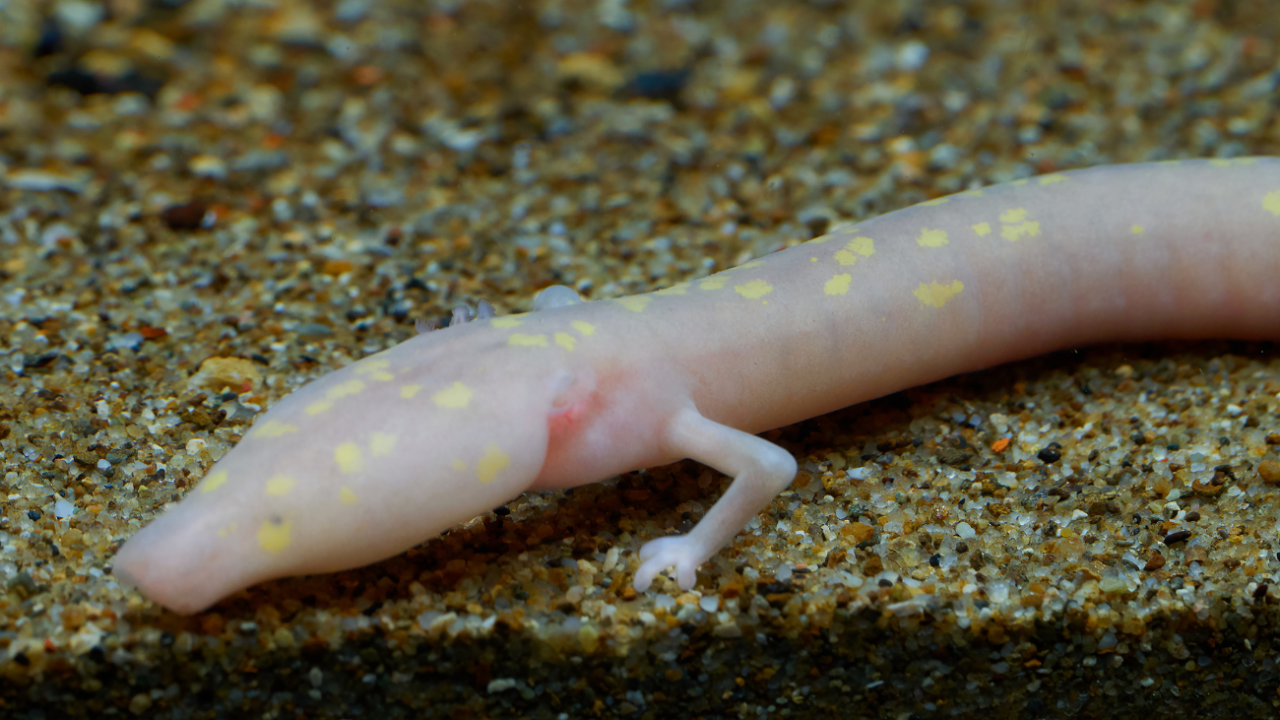
Over the years, each juvenile has also been compared based on its spotted skin patterns, which fluoresce yellow under UV light. This year, scientists conclusively confirmed that the pattern remains stable and therefore represents a distinctive identifying feature of individuals – much like a human fingerprint.
Assoc. Prof. Dr. Lilijana Bizjak Mali, an expert in olm biology, explains: »The spotted skin pattern of juvenile olms is most likely the result of the non-dispersion of pigment-containing cells, called xanthophores, and the accumulation of riboflavin within them. However, apart from fluorescence under UV light, we currently have no other direct evidence to confirm this. What we can confirm is that the characteristic spotted pattern remains stable and allows individual olms to be reliably identified.«