

 slovenščina
 Deutsch
 italiano
 Hrvatski
 français
 español
 polski
 čeština
 magyar
 Русский
 Nederlands
 Português
 한국어 [韓國語]
 中国的
中国的 日本語
日本語 עברית
עבריתThe Baby Dragons from Postojna Cave Are About to Turn Ten
On 30 May 2016, a landmark event took place in Slovenia’s Postojna Cave: for the first time ever, the public got to witness the real-time hatching of an olm. When the first olm hatched – measuring just over two centimetres – it instantly became a global sensation. The event generated immense interest from the public and experts alike, drawing widespread coverage from world’s leading media outlets. Ten years after hatching, the olms – affectionately dubbed ‘baby dragons’ – are growing steadily and astonishing scientists with their superpowers.
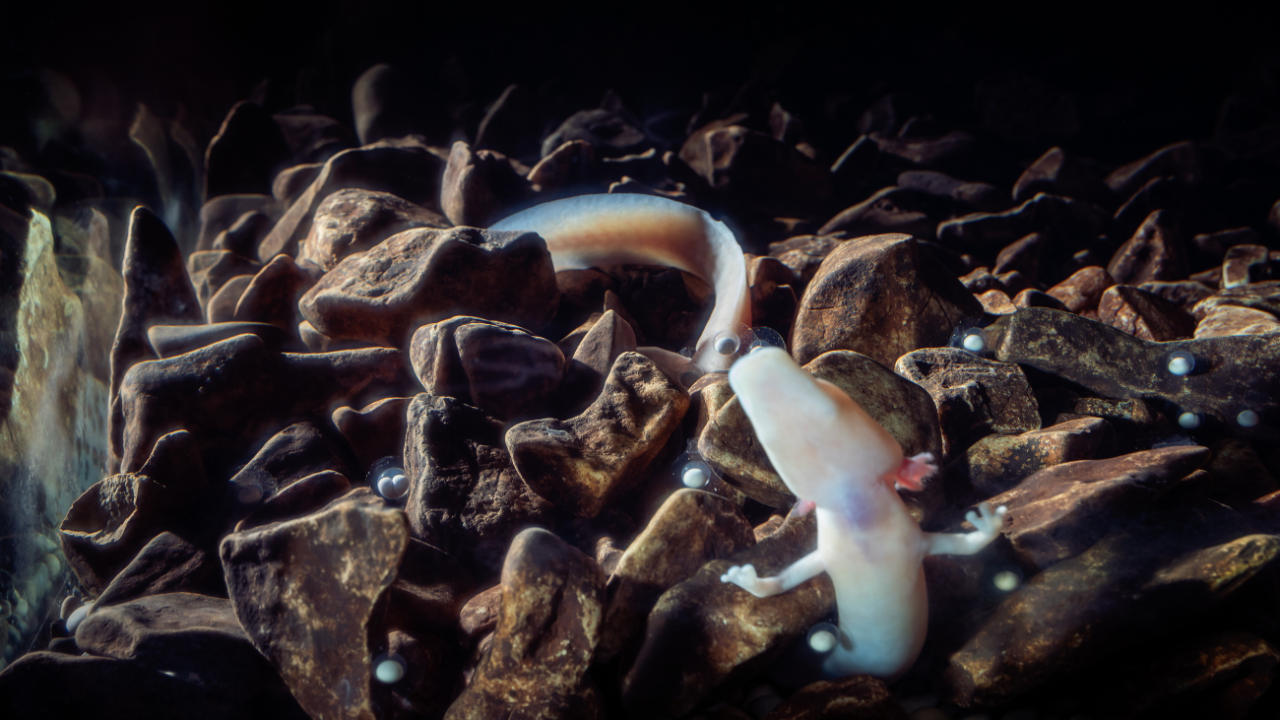
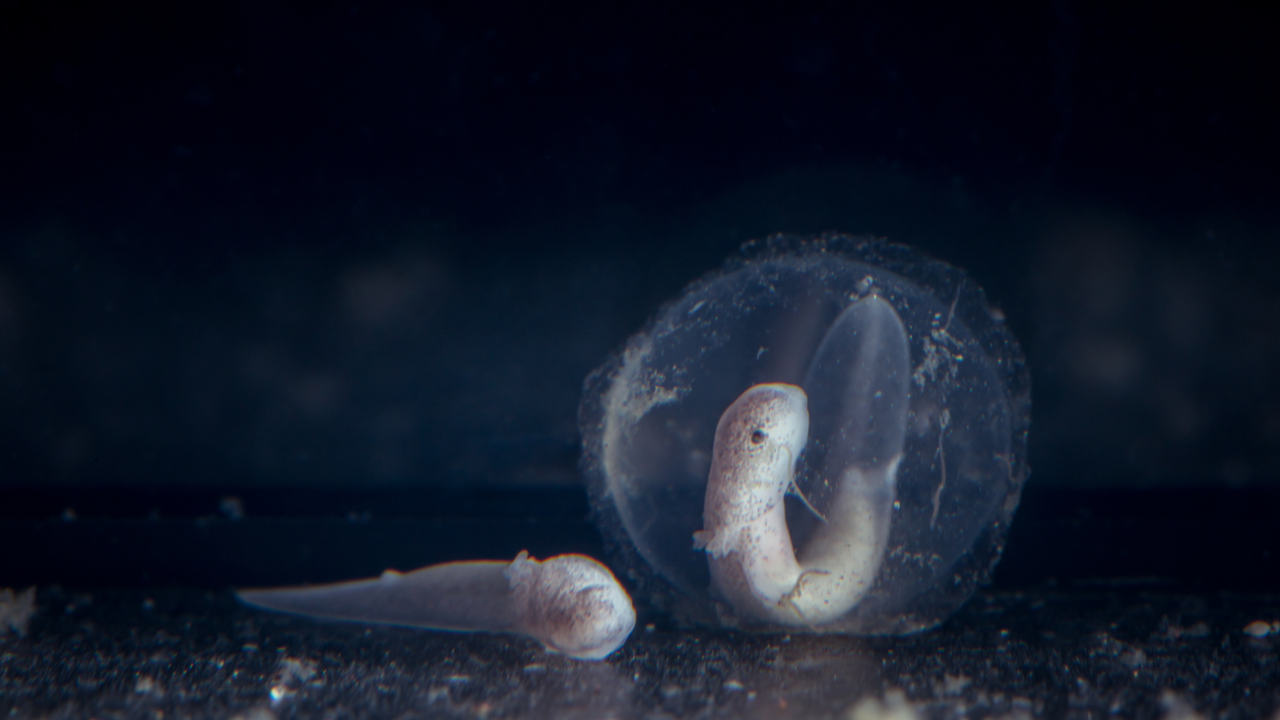
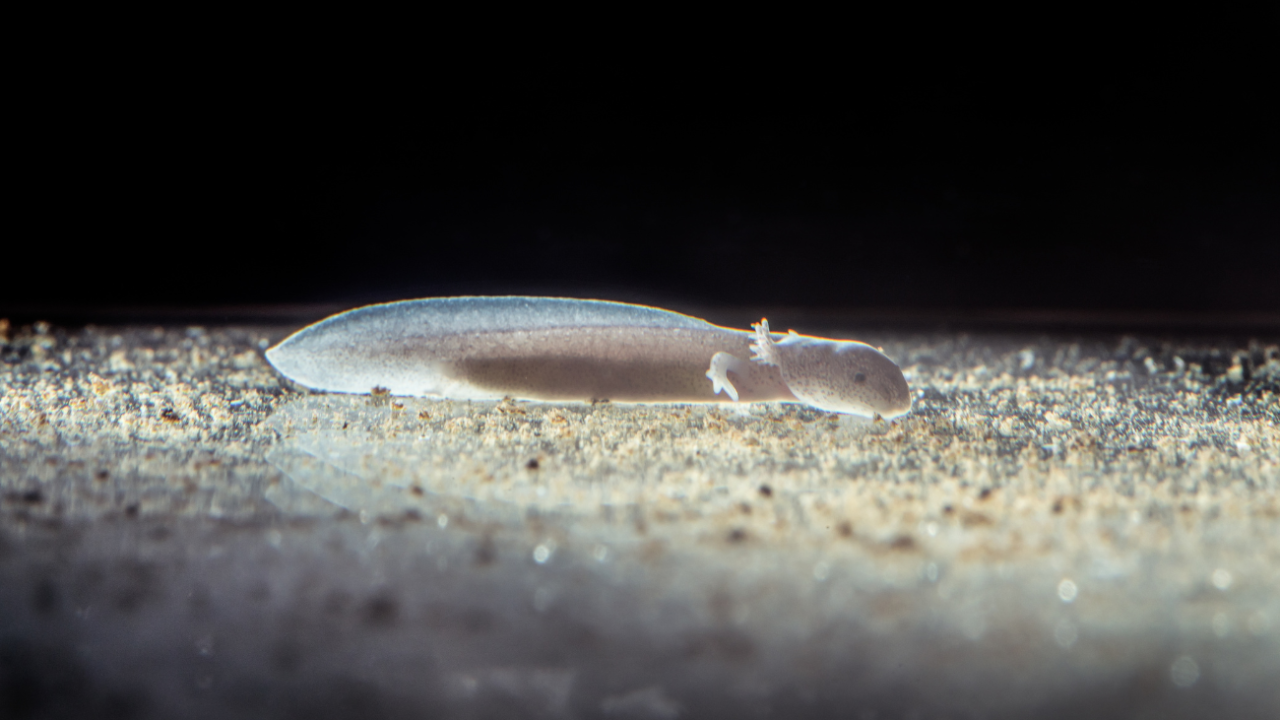
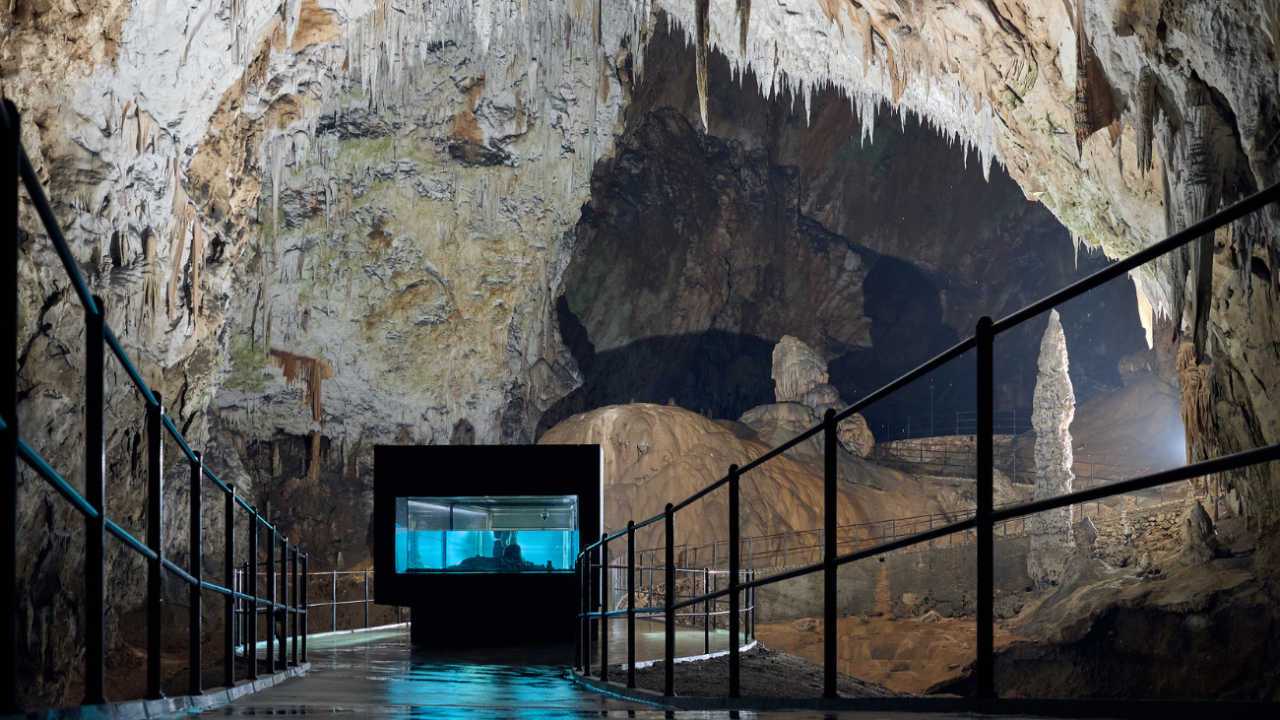
It all began a few months earlier, on 30 January 2016, when a Postojna Cave tour guide spotted the first olm egg in the large display aquarium while guiding a group of visitors around the cave. As more eggs appeared in subsequent weeks, the public and the Postojna Cave team – headed by Katja Dolenc Batagelj – held their breath and kept a close watch, monitoring every moment through infrared cameras. In a historic first for tourist caves, we got to witness the entire development of olms in real time – from eggs, embryos and larvae to active, playful juveniles. You can follow the timeline of events in the life of the 2016 olm brood in the Olm Diary 2016.
The story has now reached its finest chapter yet: the olm juveniles are perfectly healthy, growing and developing steadily in the silence and darkness of a special part of Postojna Cave, not far from the tourist trail. Housed in large aquariums, several individuals together, the olms are regularly visited by Postojna Cave’s two resident cave biologists and occasionally also by biologists from the University of Ljubljana.
A decade of scientific observation of the 2016 olm brood
At the time, the event garnered a lot of attention from the scientific community. In nature, long-term, high-precision monitoring of olms is almost impossible, as they live deep in the subterranean world, hidden from human eyes. In this case, however, scientists have been able to observe the same olm specimens for a decade, which has yielded an extensive data collection. Postojna Cave has set up a specialised cave laboratory and collaboration with the Biotechnical Faculty of the University of Ljubljana, which has established the Speleobiological Research Centre in Postojna Cave, headed by Prof. Dr. Rok Kostanjšek, Head of the Chair of Zoology.
“Our collaboration with Postojna Cave spans many years. We are united by our shared commitment to the preservation of olms and their natural habitat. Postojna Cave plays a pivotal role in advancing and disseminating fundamental knowledge about this subterranean amphibian, supported by its invaluable photographic and video archives.”
Its top priority being ethical and responsible care for the olms, the Postojna Cave team advocates for non-invasive methods that minimise disturbance to the animals. During regular visits, biologists measure, weigh and keep track of the growth and development changes in olm juveniles and also document all of it through photographs. Hormone analyses focused on the olms’ sexual maturation and sex determination are performed on faecal samples. Skin swabs, which involve a gentle swipe of the skin with a cotton swab, allow for genetic analyses of olms’ kinship relationships and the development of methods for identifying individual olms. At the same time, the focus is also on developing health care and good practices for the long-term care of these exceptional animals in artificial conditions.
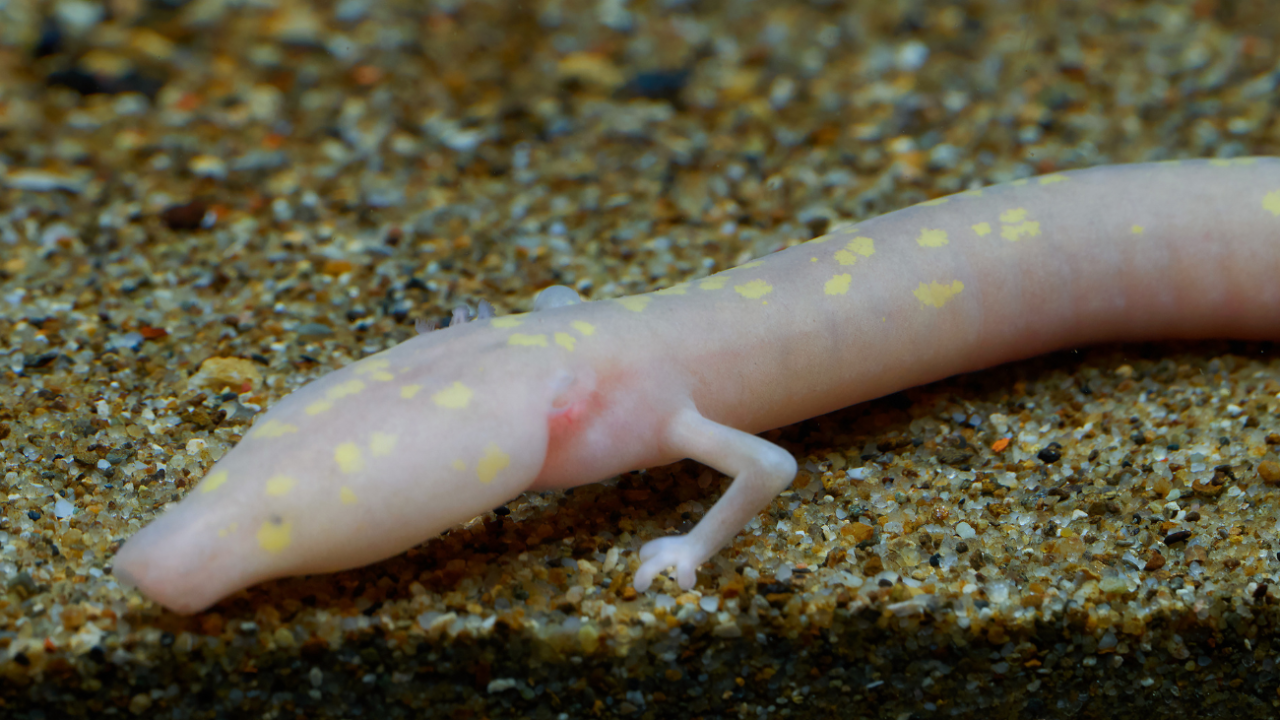
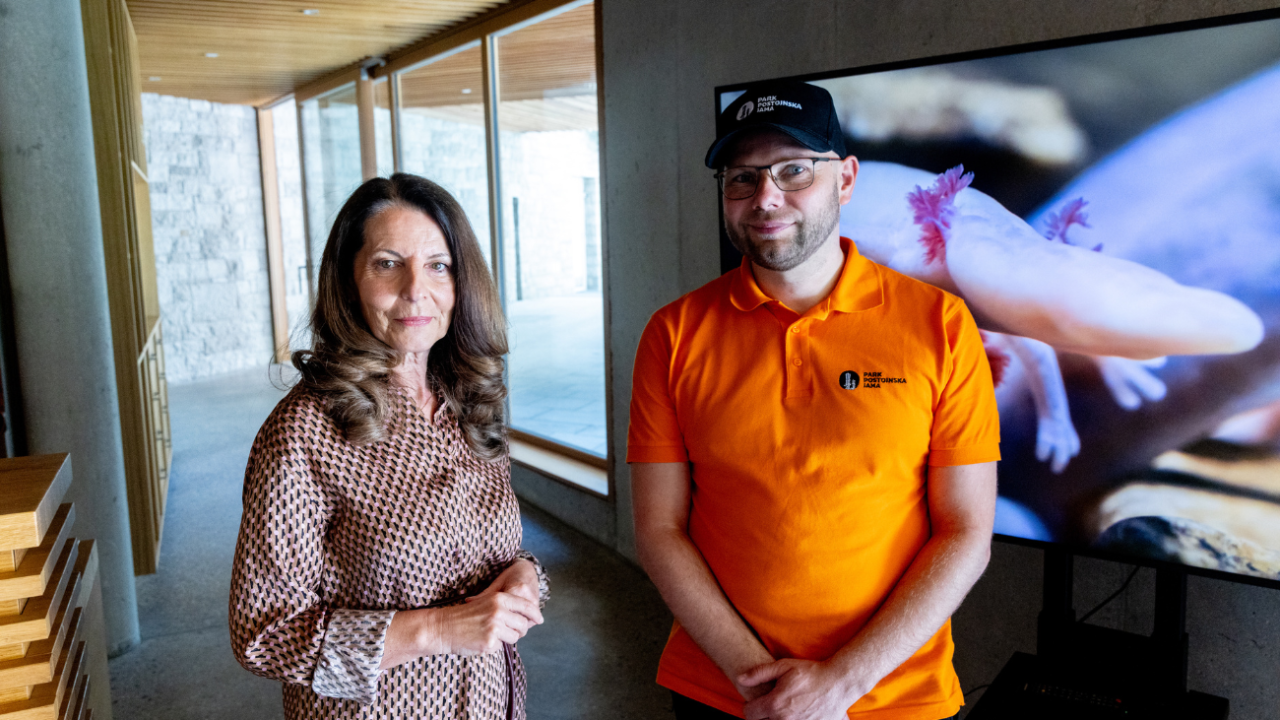
Recently, our olms received another visit from the biologists from the University of Ljubljana’s Biotechnical Faculty, including an expert in olm biology Asst. Prof. Dr. Lilijana Bizjak Mali, who has been monitoring the olm brood since the very beginning. After the visit, Mali explained: “The olms’ current body length ranges between 17 to 21.6 cm, with most weighing between 8 and 11 grams. They have reached approximately two-thirds of their final size and are now in a late juvenile stage; they will soon enter the exciting stage of sexual maturity.”
You can watch a video of the biologists’ recent visit to Postojna Cave here.
Happy birthday baby dragons!
To mark the 10th birthday of the 2016 olm brood, back in February, Postojna Cave prepared a prize-winning competition on its social networking sites Facebook, Instagram and TikTok. We also created a dedicated subpage 10 Years of the World-Famous Baby Dragons from Postojna Cave and launched a promotional campaign during the school break in February, offering families a special discount to meet the olms face to face in Postojna Cave and the Vivarium. The campaign will be repeated later this year and updates will be shared on Postojna Cave’s website and social media channels.
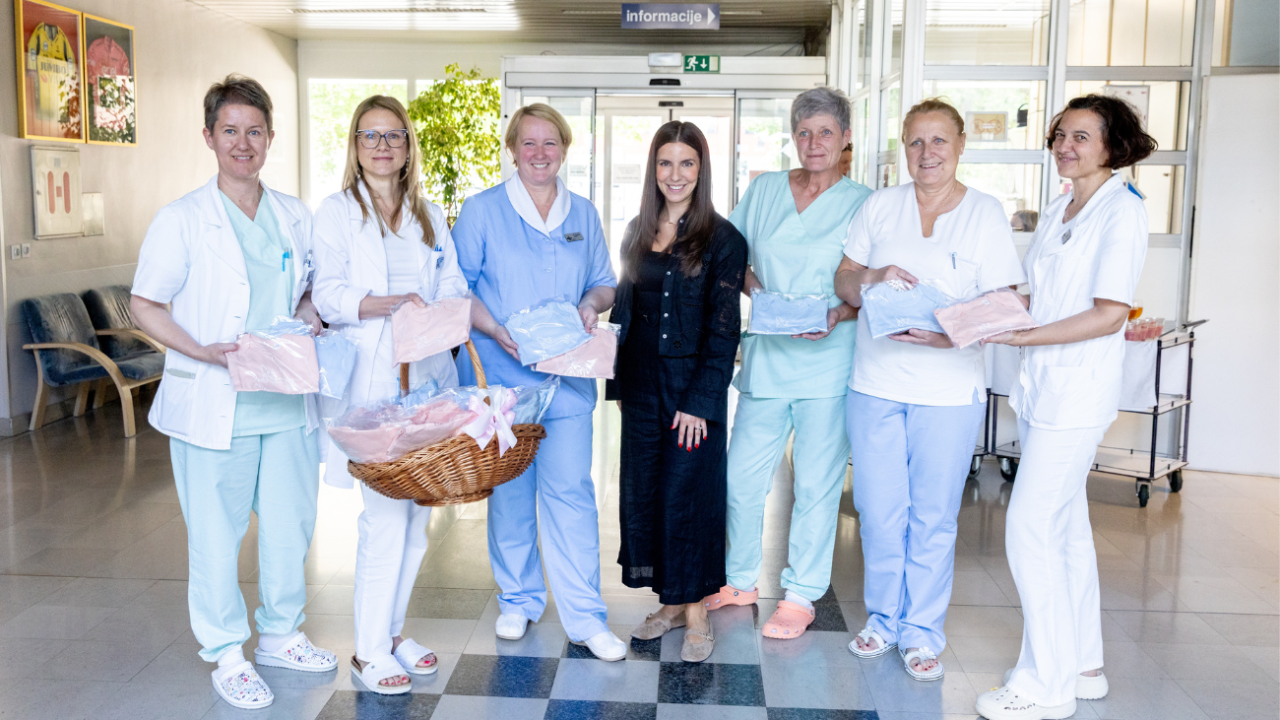
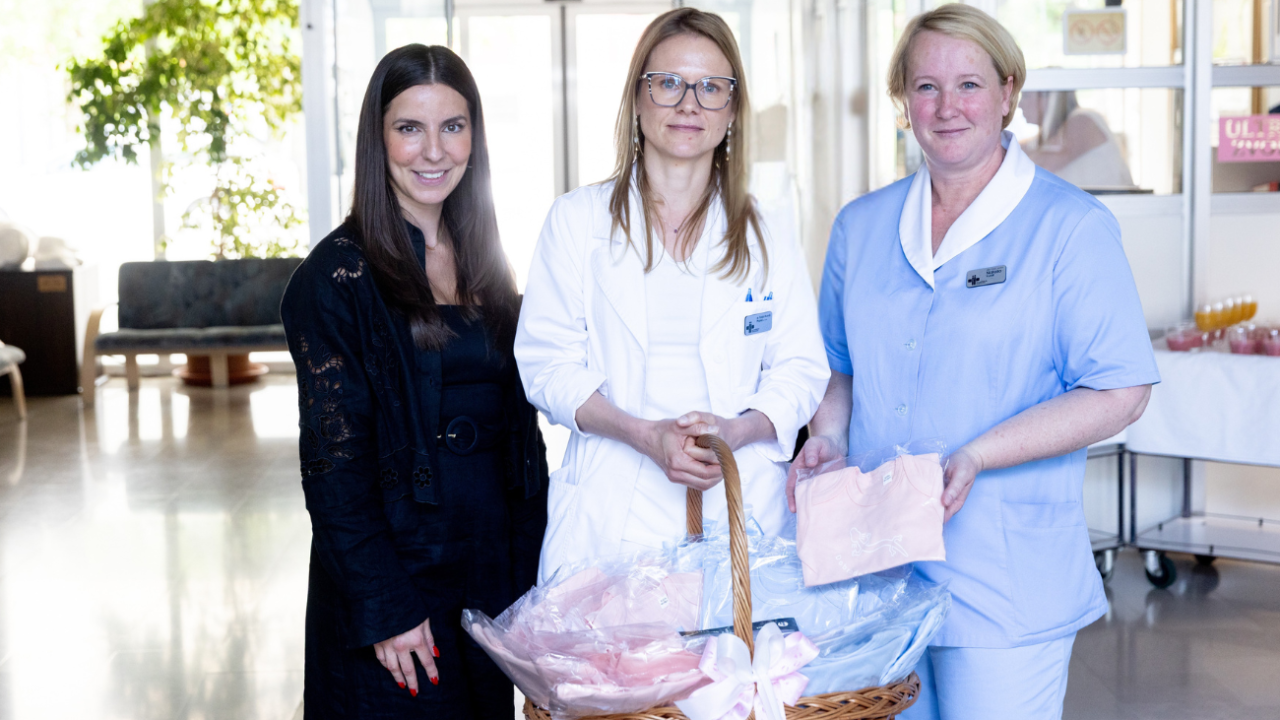
Just before the 10th birthday of the baby olms, we celebrated together with the Postojna Maternity Hospital. Postojna Cave is often referred to as the “maternity hospital of the olm,” which inspired us to think of our youngest citizens as well. The management of Postojnska jama d.d. donated baby bodysuits featuring the olm motif to the maternity hospital, bringing joy to the first days of parenthood for 100 families.
The celebration also continued online through our social media channels, where we organized another giveaway and presented gifts to families as part of our second contest of the year.
At Park Postojnska jama, we believe in the wonders of nature and the miracle of new life. One of the most extraordinary moments in our history occurred exactly ten years ago, when a new generation of olms hatched in our cave—a symbol of new life, hope, and the future. That is why this year we are celebrating this remarkable anniversary together with everyone.
How the juvenile olms paved the way for new discoveries
Numerous studies of the 2016 olm brood have yielded significant new scientific insights. Although olms are known worldwide and have been studied for centuries, their biology still holds many mysteries; our understanding of their behaviour and intragroup interactions remains incomplete.
For instance, biologists have revealed that olms are not absolute loners previously believed, but rather social creatures. Among other things, they have been able to observe olms’ mating dances, maternal egg care and adolescent fights. They have also confirmed that each juvenile olm has a distinct spotted skin pattern. Much like a human fingerprint, these patterns – which fluoresce under UV light – allow researchers to reliably identify individual olms.
One of the most significant observations was the first documented instance of limb regeneration in an olm. Viktor, a young male olm, suffered a severe leg injury during a scuffle with two other juveniles. An unexpected turn of events occurred: after the injured part of his leg fell off, the wound healed within a few days, and the process of regeneration of the missing limb part began. In just over a year, Viktor regrew a fully functional new limb. Here you can watch the video: Viktor’s new leg – limb regeneration process.
Subterranean superheroes
Olms – scientific name Proteus anguinus – are the largest cave-dwelling animal in the world and the only cave-dwelling vertebrate in Europe. They are endemic to the Dinaric Karst and found nowhere else. They are amphibians that have both rudimentary lungs and external gills. They live in the eternal darkness of subterranean waters, where their ancestors moved from the surface 14 million years ago, adapting evolutionarily to a life without light. The entire surface of the olms’ body is covered with receptors that detect light. Their very slow metabolism allows them to endure long-term starvation with no major consequences for their organism. Capable of living for more than a hundred years, olms show minimal signs of aging – they remain in the larval stage throughout their lives, and can reproduce even at an advanced age. Having no need for eyes in the dark, they have developed a number of other senses that help them skilfully track down and feed on crustaceans, snails, worms and insects. Olms have a highly developed sense of smell, taste and hearing, and can detect vibrations in the water. What’s more, they also have the ability to register weak electric fields of other animals and are able to use the Earth’s magnetic field to orient themselves.
Their many ‘superpowers’ are encoded in their genome, which is more than 10 times larger than that of humans and is one of the largest known animal genomes. Genomic studies are providing a deeper insight into the olms’ unusual traits, some of which may have potential applications in biomedicine. They could greatly contribute to a better understanding of various medical conditions such as diabetes, vision impairment, eating disorders and obesity, as well as post-surgery recovery and, perhaps in the not-so-distant future, even the regeneration of body parts and organs. There is also great potential for new insights into the processes of aging and longevity, which has attracted interest from the cosmetics industry as well.
Care for this iconic animal of the European subterranean world
The first olm was discovered right here, in Postojna Cave, in 1797. Olms are a symbol and iconic trademark of Postojna Cave, and an ambassador of natural heritage. As one of Europe’s most strictly protected subterranean animals, they are classified as ‘vulnerable’ on the Red List of Endangered Plant and Animal Species. Postojna Cave is part of the cave system that boasts the highest biodiversity in the world: it is home to more than 150 species of cave-dwelling animals, more than in any other cave in the world.
Marjan Batagelj, the Chairman of the Management Board of Postojna Cave, emphasises: “One of the places where visitors can get to know the inhabitants of the karst underground is our Vivarium, a unique underground zoo designed within their natural environment. At Postojna Cave, we believe that respect for nature begins with an experience: when you get to see an animal up close, you begin to understand it and protect it.”
The survival of olms is inextricably linked to the preservation of a clean karst environment and drinking water – if their habitat is threatened, so is ours. That is why the story of olms is also a lesson on the necessity of protecting nature. The biggest threat to the underground world and the animals that inhabit it are humans and our surface-level activities. This is why Postojna Cave launched the sustainability-focused Protect Proteus Project in 2023.
Katja Dolenc Batagelj, Head of the cave laboratory in Postojna Cave, adds: “The olm has many extraordinary traits and abilities, which is why we often call it a true superhero. But at the same time, it is also extremely vulnerable, just like its subterranean world. This is why the Protect Proteus Project has been conceived so broadly: it brings together species conservation, the protection of its habitat and our own environment, and close collaboration with science. Anyone can be a superhero by supporting this project – for example, by purchasing a symbolic bracelet or making a donation.”
The slogan of this project and fundraising campaign is “Be a Superhero, Help the Planet Stay Forever Young!” Read more about the project here.
