

 slovenščina
 Deutsch
 italiano
 Hrvatski
 français
 español
 polski
 čeština
 magyar
 Русский
 Nederlands
 Português
 한국어 [韓國語]
 中国的
中国的 日本語
日本語 עברית
עברית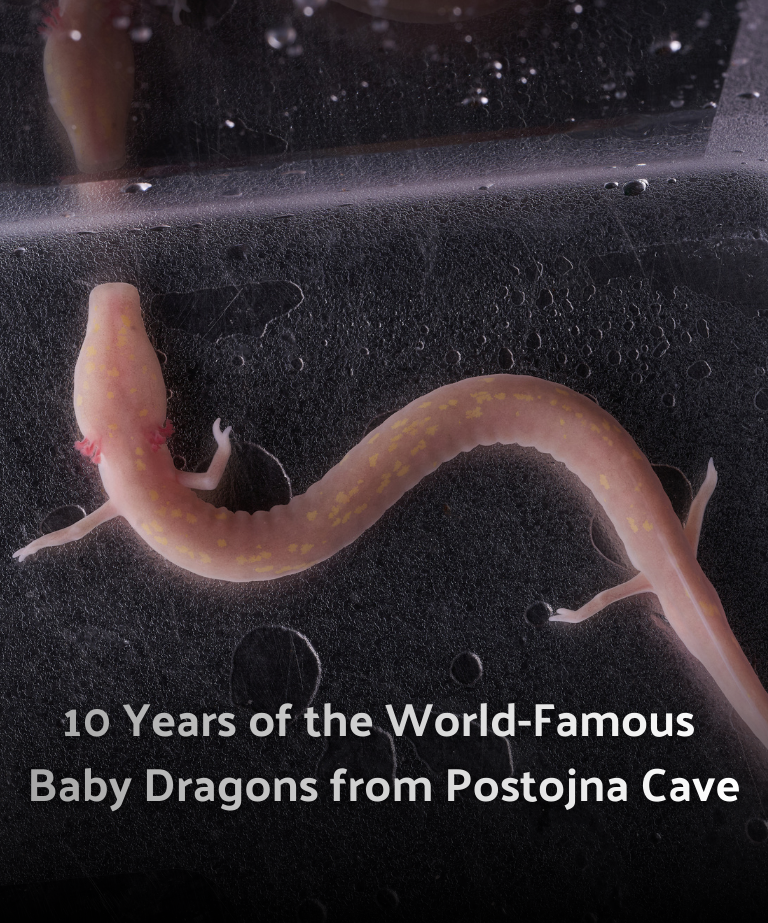
Meet the Olms – The Mysterious Creatures of the Underground World
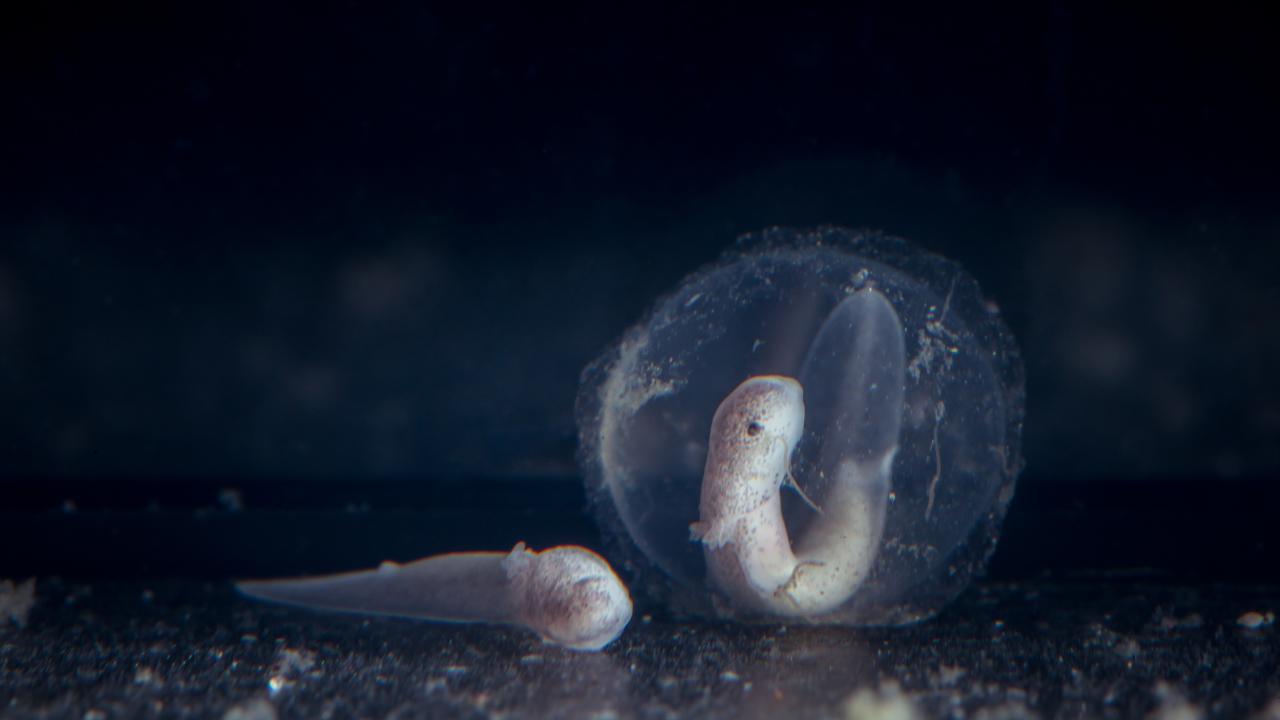
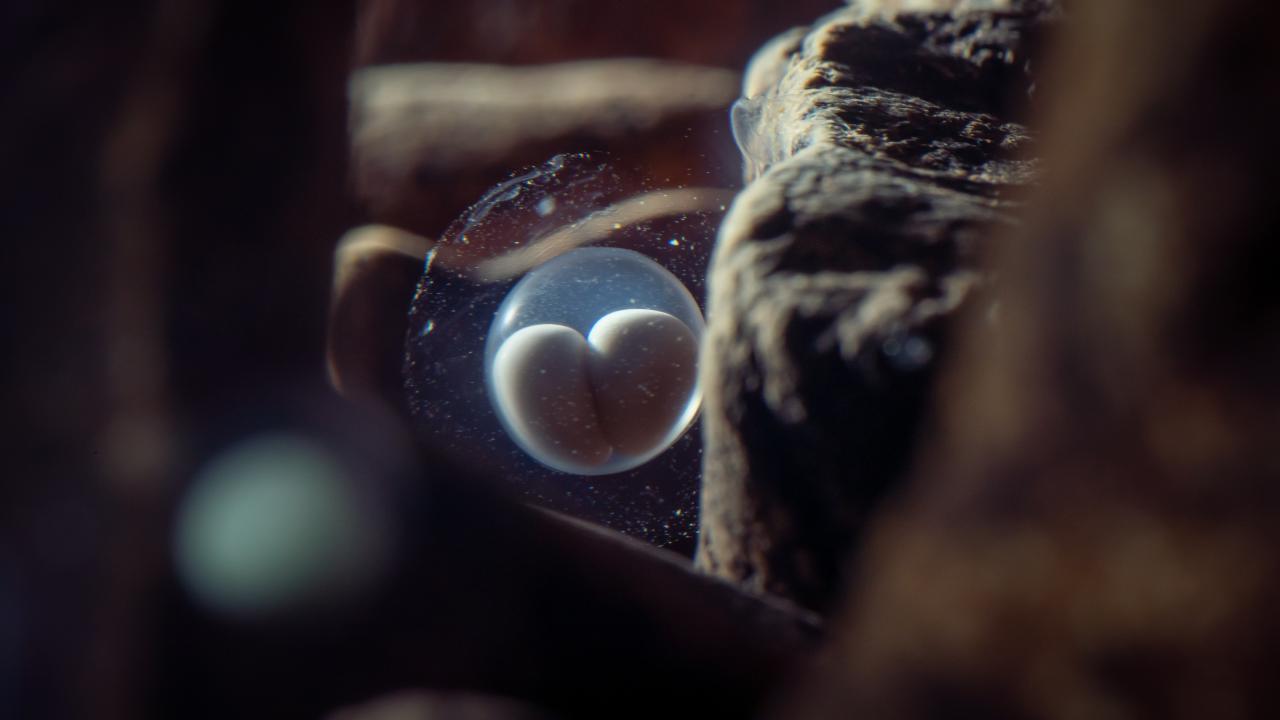
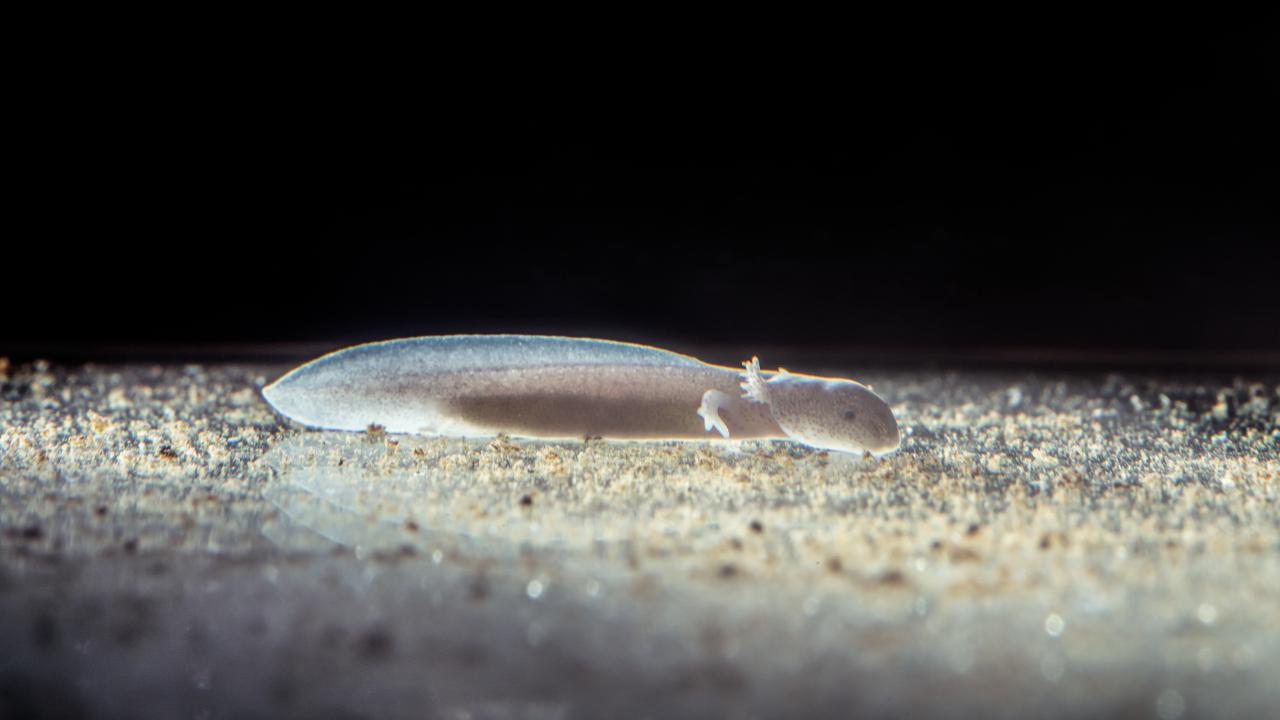
Ten years ago, an incredible thing happened in Postojna Cave in Slovenia. For the first time ever in Postojna Cave, in front of the visitors’ eyes, we got to witness the birth of olms in real time – from olm eggs, embryos and larva hatching to their transformation into playful little baby olms.
The story became an international sensation. This ‘miracle’ and ‘the baby dragons’ were widely reported by numerous media outlets all around the world, including the BBC, CNN, Discovery Channel, National Geographic, New York Times and The Guardian.
Also, this event attracted scientists, who had a unique opportunity to closely study the development of olms, which was made possible by Postojna Cave. The olms are regularly visited in our cave laboratory by researchers from the Biotechnical Faculty of the University of Ljubljana. Thus, the olms contribute to new scientific discoveries that can improve the lives of all of us in the future.
Who Are Olms?
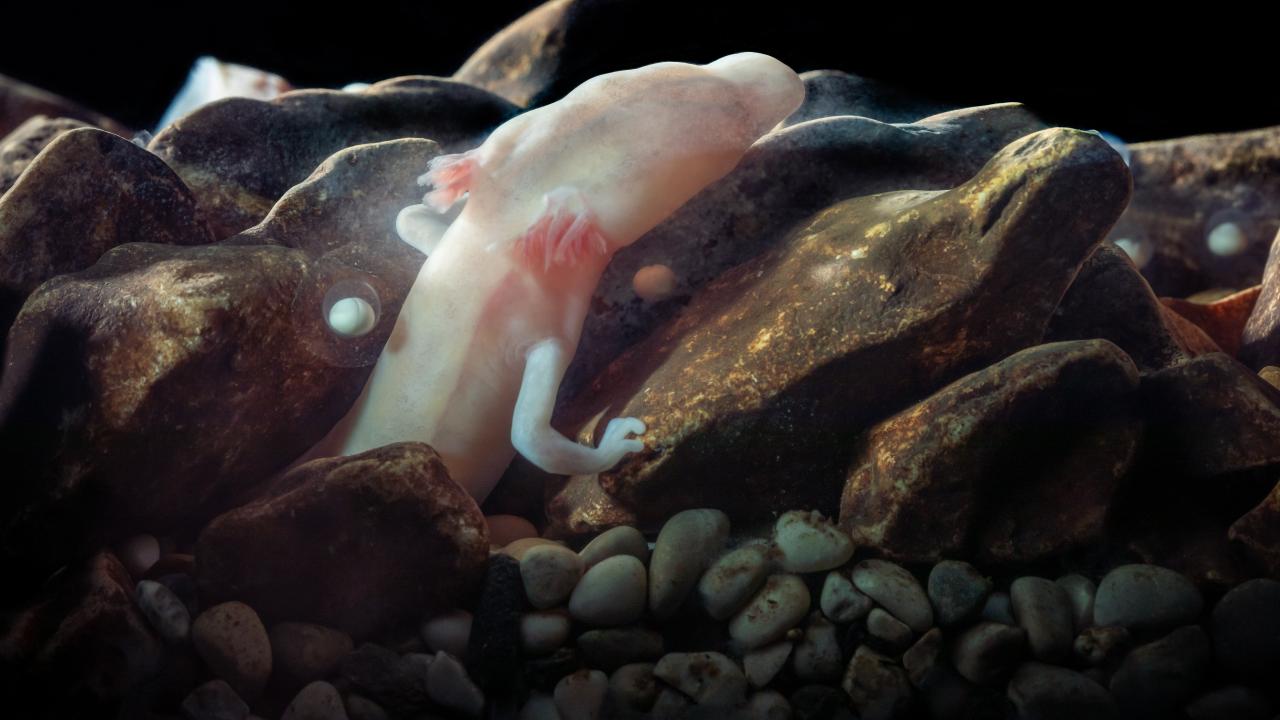
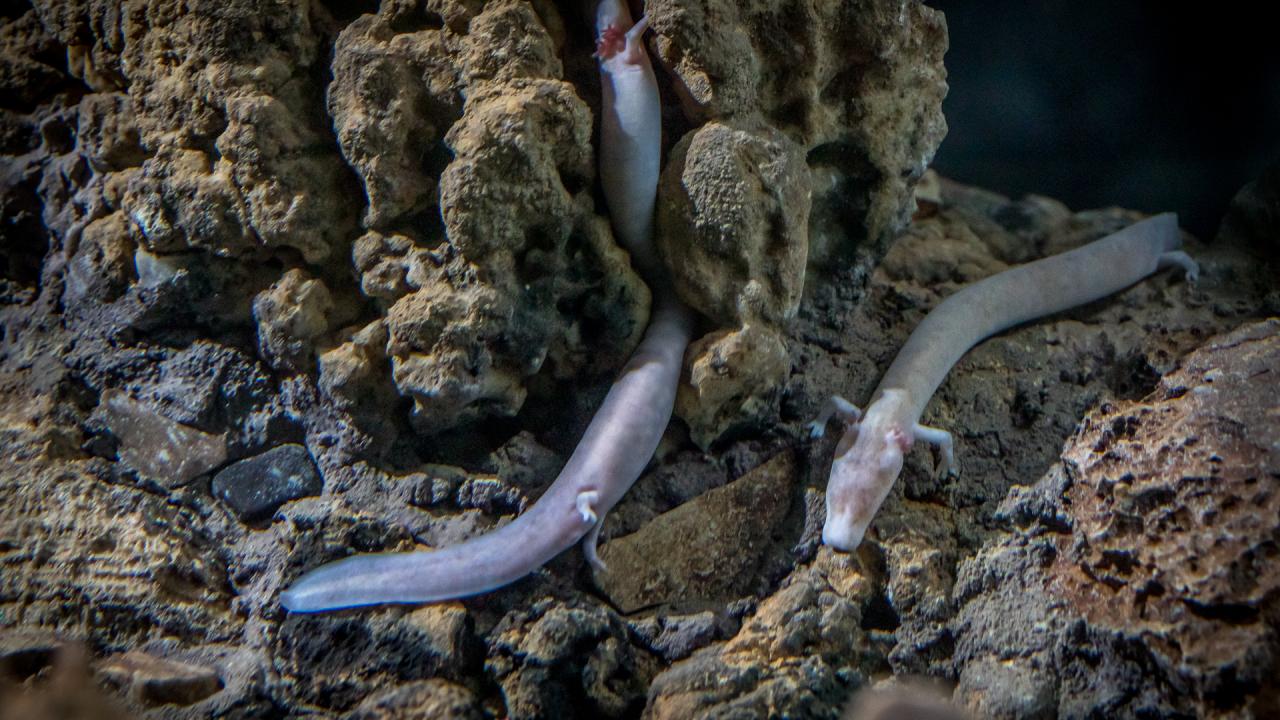
The olms’ scientific name is Proteus anguinus. Olms are the largest cave-dwelling animals and the only cave-dwelling vertebrates in Europe. They are endemic to this part of the world, which means they are found nowhere else but here, in the Dinaric Karst. They are amphibian and have both lungs and external gills. They live in the eternal darkness of subterranean waters and have adapted to this through evolution. Instead of eyes, which are not needed in the dark, olms have developed a number of other special senses: they have a keen sense of smell, they can sense chemicals in the water, as well as detect sound waves and vibrations, and what’s more, they also have the ability to register weak electric fields of other animals and are able to use Earth’s magnetic field to orient themselves. With the help of these senses, they are very skilled at finding various animals even without sight, including crustaceans, snails, worms and insects on which they feed.
Olms have a number of superpowers that are of great interest to scientists:
- Extraordinary longevity: They can live to the age of 100.
- ‘Forever young’: They never really ‘grow up’ – they remain in the larval stage throughout life.
- A slow-beating heart: They have a very slow heart rate – this is part of their survival mechanism.
- Adept at fasting: They can go without food for years.
- They can detect the presence of light with their whole body: They are born with eyes, which are later covered by skin. They can sense light with sensory cells in their skin.
- Regeneration: If one of olm’s limbs gets injured, it can grow a new one; it can even regenerate blood vessels, the heart or the brain.
- The spotted pattern on the olms’ skin is like a human fingerprint:They can be identified by it – it is fluorescent under UV light.
- The olms’ genome is more than 10 times longer than that of humans: The study into olms will significantly contribute to medical advances and new methods of treatment, and the olms are also of great interest to the cosmetics industry.
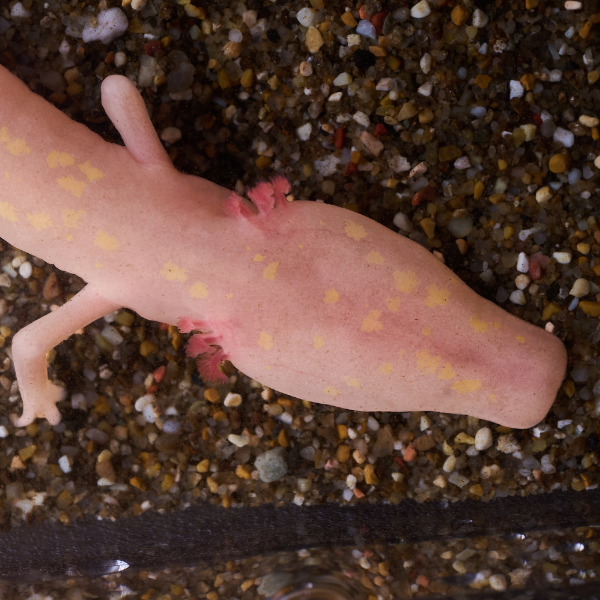
Why are they sometimes mistakenly called “human fish”?
Because their skin is light and pink, similar to the skin of humans.
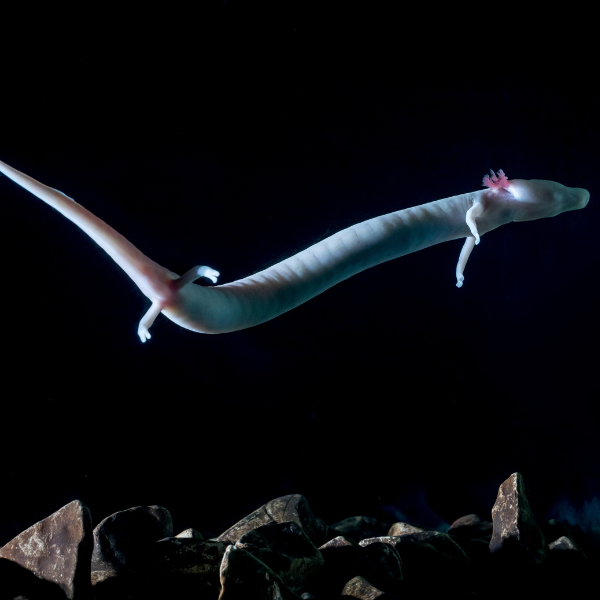
Why have olms been nicknamed ‘baby dragons’?
Because back in the day, people believed that olms were the offspring of a dragon that lived in Postojna Cave.
The World-Famous 2016 Brood
On 30 January 2016, the very first olm egg was spotted in a large aquarium in the middle of Postojna Cave. Several other eggs followed, and a few exciting months later, a total of 22 larvae, just over two centimetres long, hatched. Infrared cameras recorded everything that went on. In front of our eyes, the hatchlings grew into playful little olms, which are now about twenty centimetres long and keep on growing. They live in large aquariums in the middle of Postojna Cave, in the eternal darkness of the underground world. A few times a month, the two biologists who take care of them bring them a large heap of special white aquatic worms, which the olms are very happy to eat. They spend the rest of their time doing what they want and hanging out with the other olms. The thing that helps tell them apart is the spotted pattern on their skin. The best-known olm from the 2016 brood is Viktor, who grew a completely new leg after being injured during a scuffle. Another young olm we are very proud of is Boris, who had the smallest chance of survival, but also an incredible will to live – today, he is perfectly healthy and continues to grow steadily. Kapljica and Kras (translated into English as Droplet and Karst) are the two young olms that have been named by Postojna Cave visitors and olm lovers from all over Slovenia in the Generali Investments initiative. There were four thousand suggestions to choose from and the most votes went to these two wonderful names, full of symbolism.
Check out the 2016 olm diary and read about the exciting events in the olms’ lives.
Why Is Seeing Olms in the Flesh a Must?
If you are on holiday in beautiful Slovenia or are lucky enough to live nearby, you should not miss the opportunity to see olms in the flesh – in Postojna Cave, Europe’s largest tourist cave.
Because photos and videos cannot really show the magnificence of the olms’ underground home with all the stalactites and stalagmites. This is where they have lived for 14 million years ever since they moved below the surface.
Because you need to come here to really her feel how fragile and delicate olms are, and realise why they must be protected.
Protect Proteus Project
The olms’ lives are most threatened by us – humans – through the pollution of nature on the surface. Harmful and toxic substances that can be fatal to olms permeate beneath the ground along with the waters. This is why it is so important to protect the olms’ habitat, which is also our own habitat – members of all species need a clean environment and drinking water to survive.


Come for a visit. Have a seat on the cave train. And meet the olms in the awe-inspiring environment of Postojna Cave in the middle of green Slovenia in the heart of Europe.
